For many years, earning a university degree was considered the ultimate ticket to employment. Students were encouraged to focus on academic excellence, graduate with good grades, and opportunities would naturally follow.
While education remains important, today's job market has evolved. Employers are increasingly seeking individuals who can demonstrate a combination of knowledge, practical skills, adaptability, and professional attributes that enable them to thrive in dynamic workplaces.
The Changing Nature of Work
Technological advancements, globalization, and evolving workplace demands have transformed how organizations operate. Many routine tasks can now be automated, making human skills such as problem-solving, communication, and creativity more valuable than ever.
As a result, employers are increasingly interested in what candidates can do, not just what qualifications they possess.
Skills Employers Value Most
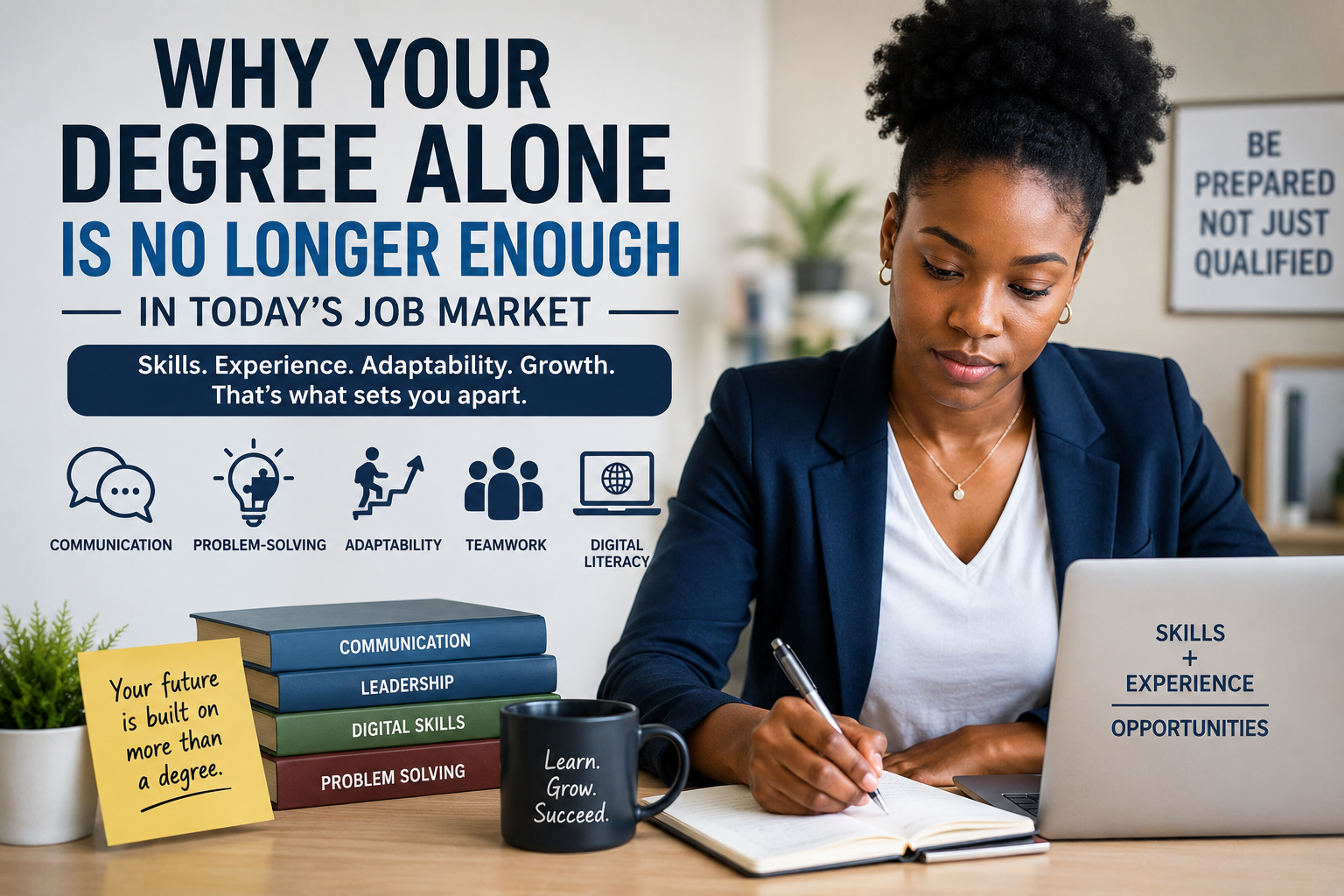
Communication Skills: Whether writing reports, presenting findings, collaborating with colleagues, or engaging clients, the ability to communicate clearly remains one of the most sought-after skills across industries.
Problem-Solving Ability: Organizations face new challenges every day. Employers value individuals who can analyze situations, identify solutions, and make informed decisions.
Adaptability: New technologies, systems, and workplace processes require employees who are willing and able to learn continuously and embrace change.
Teamwork and Collaboration: Few jobs are performed in isolation. Employers seek people who can work effectively with diverse teams and contribute positively to organizational goals.
Digital Literacy: Familiarity with productivity software, online collaboration platforms, data analysis tools, and emerging technologies has become increasingly important.
The Importance of Experience
Academic knowledge provides a strong foundation, but practical experience demonstrates how that knowledge can be applied. Internships, volunteer work, research projects, leadership roles, and freelance assignments all help build valuable workplace competencies.
Even small projects can provide evidence of initiative, commitment, and practical capability.
Building a Strong Professional Profile
Students and graduates can improve their competitiveness by actively developing skills outside the classroom. Consider:
- Participating in student organizations and professional associations.
- Undertaking internships and volunteer opportunities.
- Building a strong LinkedIn presence.
- Attending workshops, webinars, and industry events.
- Learning new digital tools and technologies.
- Creating a portfolio of projects and achievements.
Final Thoughts
A university degree remains a valuable achievement, but it is no longer the sole factor that determines career success. Employers increasingly seek individuals who combine academic knowledge with practical skills, adaptability, communication, and a willingness to learn.
Your degree may open the door, but your skills, experience, and attitude will determine how far you go.